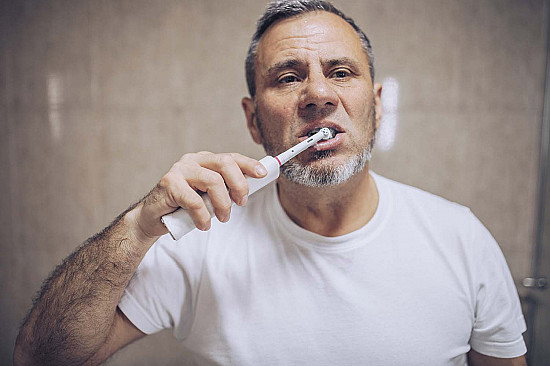
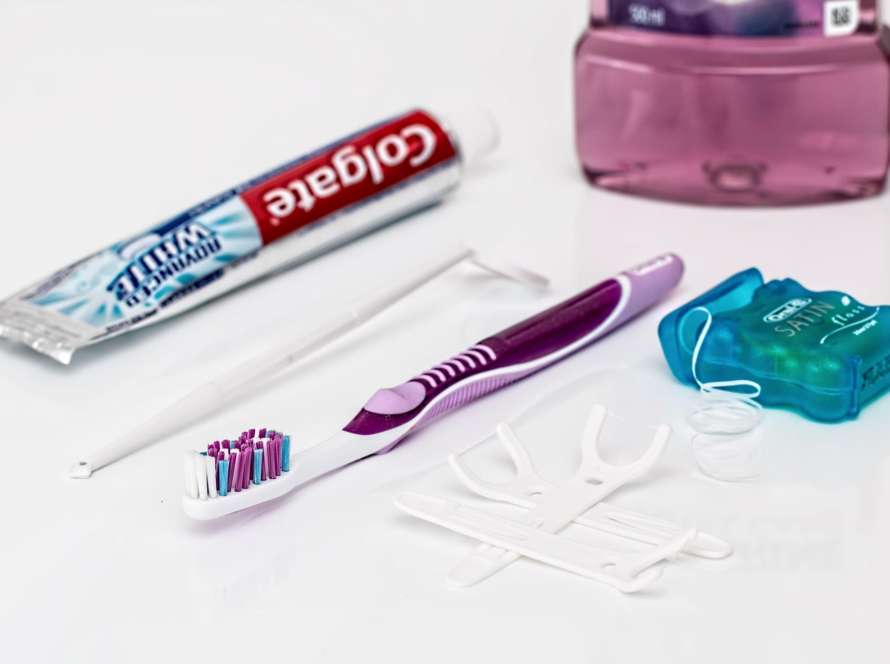
When it comes to dental health, most people think brushing twice a day is enough. But here’s the truth — many everyday habits that seem harmless are actually silently damaging your teeth. From how you drink your morning coffee to how you deal with stress, small daily behaviors can lead to cavities, enamel erosion, gum disease, and expensive dental treatments.
If you want a healthy, confident smile, it’s time to uncover the hidden habits that are ruining your teeth without you realizing it.
Sipping Coffee or Tea All Day ☕
Coffee and tea are daily essentials for millions of Americans. But sipping them slowly over hours exposes your teeth to constant acid attacks.
Why it’s harmful:
- Weakens enamel
- Causes staining
- Leads to tooth sensitivity
What to do instead:
Drink your beverage in one sitting rather than sipping all day. Rinse your mouth with water afterward and wait 30 minutes before brushing.
Brushing Too Hard
Brushing aggressively doesn’t mean cleaner teeth. In fact, it can do more harm than good.
Damage caused by hard brushing:
- Enamel erosion
- Gum recession
- Tooth sensitivity
Better habit:
Use a soft-bristled toothbrush and gentle circular motions. Let the brush do the work — not your muscles.
Using Your Teeth as Tools
Opening bottles, tearing packages, biting nails, or holding pins with your teeth may seem convenient, but your teeth are not tools.
Risks include:
- Chipped teeth
- Cracks in enamel
- Jaw pain
Even small fractures can turn into major dental problems requiring crowns or root canals.
Frequent Snacking
Every time you eat, bacteria in your mouth produce acids that attack your teeth. Frequent snacking means your teeth never get a break.
Worst offenders:
- Chips
- Cookies
- Dried fruits
- Crackers
These sticky carbs cling to teeth and feed cavity-causing bacteria.
Smart swap:
Choose teeth-friendly snacks like cheese, nuts, apples, and carrots.
Drinking Soda — Even Diet Soda 🥤
Many people switch to diet soda thinking it’s safer. But both regular and diet sodas are highly acidic.
Effects of soda on teeth:
- Enamel erosion
- Tooth sensitivity
- Higher cavity risk
Tip:
Use a straw to reduce contact with teeth and rinse with water after drinking.
Grinding Your Teeth (Bruxism)
Teeth grinding often happens during sleep or stressful situations, and many people don’t even realize they do it.
Warning signs:
- Morning jaw pain
- Headaches
- Worn or flattened teeth
Untreated grinding can lead to fractures, enamel loss, and TMJ problems.
Solution:
A custom night guard from a dental professional can protect your teeth.
Skipping Flossing
Brushing cleans only about 60% of tooth surfaces. The rest? That’s where flossing comes in.
Without flossing, plaque builds up between teeth and under the gumline, leading to:
- Gum disease
- Bad breath
- Cavities between teeth
Flossing once daily can significantly reduce your risk of periodontal disease.
Constantly Drinking Lemon Water 🍋
Lemon water is popular for detox and weight loss, but frequent exposure to citrus acid erodes enamel.
Result:
Teeth become thinner, yellow, and sensitive.
Better approach:
Drink lemon water through a straw and rinse your mouth afterward with plain water.
Ignoring Dry Mouth
Saliva protects your teeth by washing away food and neutralizing acids. Dry mouth increases cavity risk dramatically.
Causes of dry mouth:
- Medications
- Dehydration
- Smoking
- Medical conditions
Fix:
Stay hydrated, chew sugar-free gum, and talk to a dentist if dryness persists.
Skipping Regular Dental Checkups
Even perfect brushing can’t remove hardened tartar. Skipping dental visits allows small problems to turn into painful, costly treatments.
Routine checkups help detect:
- Early cavities
- Gum disease
- Oral cancer
- Bite issues
Preventive care always costs less than emergency treatment.
Protect Your Smile Before It’s Too Late
Your teeth are meant to last a lifetime, but only if you take care of them the right way. By avoiding these hidden habits and following a strong oral hygiene routine, you can prevent serious dental issues and maintain a bright, healthy smile.
Healthy Dental Routine Checklist:
✔ Brush twice daily with fluoride toothpaste
✔ Floss once a day
✔ Drink plenty of water
✔ Limit sugary and acidic foods
✔ Visit a dentist every 6 months
When to See a Dental Professional
If you notice bleeding gums, persistent bad breath, tooth sensitivity, jaw pain, or stained teeth, don’t ignore the signs. Early treatment can prevent permanent damage.
For expert guidance on preventive dental care, gum health, and smile protection, you can connect with experienced professionals at:
🌐 Website: https://healthpoint.co.in/
📧 Email: info@healthpoint.co.in
They provide valuable support and information to help you maintain excellent oral health and avoid long-term dental problems.
Final Thoughts
Most dental damage doesn’t happen overnight — it builds up from small daily habits. The good news? Once you know what to avoid, protecting your teeth becomes much easier.
Your smile is one of the first things people notice. Take care of it today, and your future self (and your dentist) will thank you!
Frequently Asked Questions (FAQs) About Hidden Habits That Damage Teeth
Many daily habits can quietly harm your teeth, including sipping coffee all day, drinking soda, brushing too hard, frequent snacking, nail biting, and skipping flossing. These behaviors weaken enamel, increase acid attacks, and raise the risk of cavities and gum disease over time.
- Can drinking coffee every day ruin your teeth?
Yes, drinking coffee daily can stain teeth and weaken enamel, especially if you sip it throughout the day. Coffee is acidic and can dry the mouth, which reduces saliva that normally protects teeth. Rinsing with water after drinking coffee can help reduce damage.
- Why is brushing too hard bad for your teeth?
Brushing too hard can wear down tooth enamel and cause gums to recede. This leads to tooth sensitivity, a higher risk of cavities, and exposed tooth roots. Dentists recommend using a soft-bristled toothbrush and gentle circular motions.
- How does snacking frequently affect dental health?
Frequent snacking exposes your teeth to constant acid attacks from bacteria that feed on food particles. This increases the risk of cavities and enamel erosion. Limiting snacks and choosing teeth-friendly options like nuts, cheese, and vegetables helps protect your smile.
- Is diet soda better for your teeth than regular soda?
No, diet soda is still harmful to teeth because it contains acids that erode enamel. Even without sugar, the acidity can cause tooth sensitivity and increase the risk of dental damage over time.
- What are the signs of teeth grinding at night?
Common signs of nighttime teeth grinding (bruxism) include morning jaw pain, headaches, worn or flattened teeth, and tooth sensitivity. A dentist can provide a custom night guard to prevent further damage.
- Why is flossing important if I brush daily?
Brushing cleans only the front, back, and chewing surfaces of teeth. Flossing removes plaque and food particles between teeth and below the gumline, where toothbrush bristles cannot reach. Daily flossing helps prevent cavities and gum disease.
- Can lemon water damage your teeth?
Yes, lemon water is highly acidic and can erode tooth enamel if consumed frequently. Drinking it through a straw and rinsing your mouth with plain water afterward can help reduce the risk.
- How often should you visit a dentist for checkups?
Most dental professionals recommend visiting a dentist every six months for cleanings and checkups. Regular visits help detect cavities, gum disease, and other oral health problems early.
- When should I be concerned about tooth sensitivity?
You should see a dental professional if tooth sensitivity is persistent, painful, or triggered by hot, cold, or sweet foods. It may be a sign of enamel erosion, gum recession, or cavities that need treatment.
Need expert guidance for protecting your teeth and preventing dental problems?
Visit https://healthpoint.co.in/ or email info@healthpoint.co.in for trusted dental health support and advice.
Lorem ipsum dolor sit amet, consectetur adipiscing elit. Ut elit tellus, luctus nec ullamcorper mattis, pulvinar dapibus leo.